
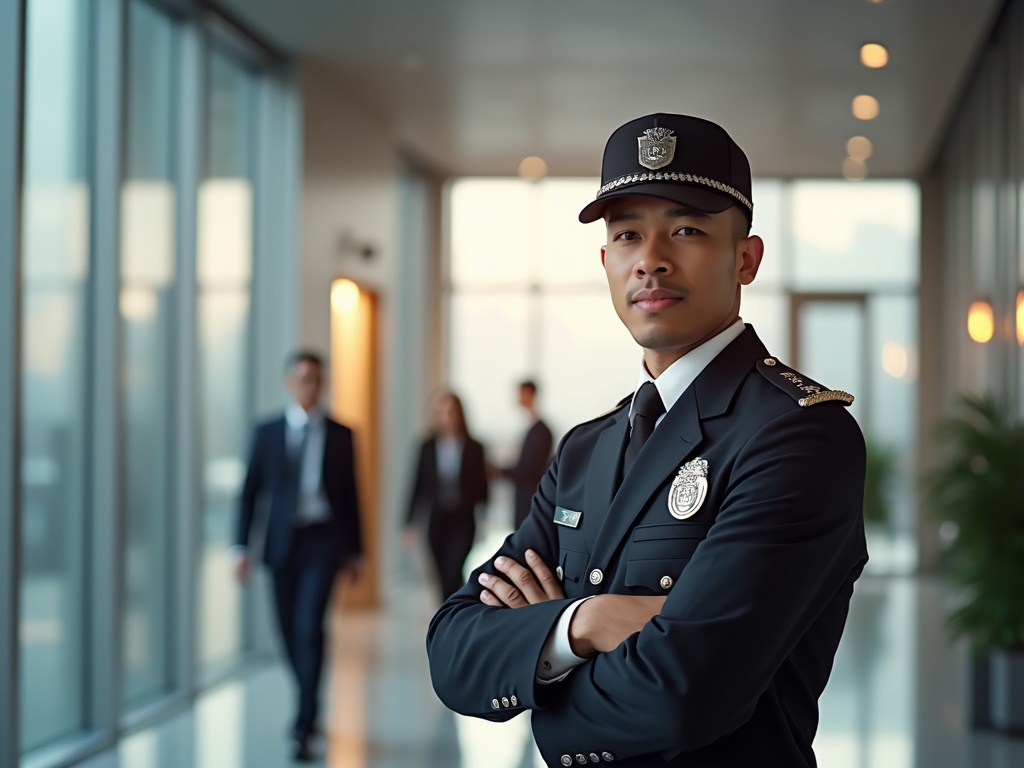
Why Visible Security Presence Still Matters in Modern Business Protection
The security industry may not be what it was ten years ago. Cameras are clearer, alarm systems are smarter, and monitoring systems can detect motion patterns to facial recognition. But what hasn’t changed is the value of a human presence who can assess and respond to complications as they unfold in real time.
Companies spend thousands—if not millions—on security systems; and rightfully so, because they’re effective. These systems run 24/7 and cover a lot of ground that would otherwise be impossible to achieve by someone conducting manual surveillance. But criminals know this. They know that cameras will record but won’t intervene, alarm systems will sound but won’t prevent an action from occurring. A visible security presence, however, stifles any preconceived notion about getting away with crime.
The Psychology of a Human Presence
There’s something different about seeing a person with a security uniform than seeing a camera situated in a corner. When someone enters a business and sees an on-duty security guard, their mind immediately maps the concept of active monitoring as opposed to passive recording. This shifts behavior before it even has a chance to get started.
Research on deterrent factors shows that those who may act against the law determine risk assessment much differently when human security is in the mix. A camera might be running—maybe even it’s a fake camera. An alarm might be triggered—maybe it’s deactivated. But security personnel are instantaneous consequences. For companies plagued with theft, vandalism, and safety concerns, just having someone there helps reduce or eliminate any incentive to act in the first place.
This also works in the other direction. Employees feel safer, customers feel more at ease; there’s a different air within a company when people know someone is looking out for them. It’s not about assuming that crime could happen at any given moment; it’s about making sure that when normal operations are implemented, they can remain trouble-free.
Technology Can Only Do So Much
In many ways, technology is good at detecting situations; it’s bad at deciphering them. A camera will showcase the urgency of an issue, but it won’t understand if someone is acting suspiciously or if conditions need intervention versus surveillance for documentation. But more companies have found out for themselves – Static Security Guards Melbourne can assess the situation and make decisions before it’s too late or before valuable information can be found.
For example, if someone is observed wandering around a retail location, the AI-equipped camera might determine that movement detection warrants a flagged red alert. However, only someone who knows how to interact can assess whether the person is casing the joint or confused about which aisle to navigate. Such judgment calls happen dozens of times throughout a day shift; getting it right requires a trained human presence.
The same goes for emergencies. When something goes wrong—an injury occurs, there’s an impulse response to fight, there’s a sudden medical risk—those minutes in which someone can get there first can make all the difference. A security officer can assess the situation, step into action, and get the appropriate emergency personnel involved on-site in addition to controlling the scene while awaiting assistance. Technology can help, but human adaptability cannot be replaced.
Additional Benefits of Human Security Presence
When business owners initially hire professional security personnel, they soon find that they’re getting more than one service for their money: guards become extensions of customer service representatives. Instead of having guests hover without assistance while waiting for someone else to finish up, security professionals come equipped with additional resources that ease the experience of being on site.
This is particularly true for shopping centers and office buildings where people consistently need directions or inquiries answered. Having security there for preventative and responsive purposes makes sense not only for crime control but also for maintaining ease of operation—an added benefit that won’t show up on any incident report but will accumulate over time.
Furthermore, security professionals spot maintenance issues that others would never realize are going on—they catch safety hazards and general operational issues that no one thinks about because they’re not in security mode per se. A guard doing regular patrols catches the broken lock on an entrance, notices the flickering exit sign in the corner, or addresses the spill down the hallway before anyone else even makes it through.
Responding to Situations
But where human security excels is responding to situations as they occur. If someone is causing a problem, if there’s a need to quiet down others, if someone sees something wrong—these all require immediate response from trained professionals. Cameras capture what happens after the fact, but specialists are there to help de-escalate whatever went wrong.
The best security personnel know how to neutralize a situation; they know when police intervention is needed versus when they’re all that’s required; they know how to protect people and property without disrupting business operations continually. During stressful situations in which rushed actions may make things worse, this skill set becomes invaluable.
For businesses that operate after-hours, this becomes crucial. Having someone who knows how to react to delivery personnel or handle unexpected circumstances with no management present allows companies to rest easier without missing out on opportunities for remote solutions.
Making Sure They’re Worth It
The best way businesses get value out of security personnel companies is to hire one company that encompasses expected training and implementation. Security guards should know more than just protocols; they should understand how to interact with customers genuinely as part of their responsibility; they need to engage with companies as if they are part of the fabric without becoming overbearing.
The most successful combinations exist when human presence merges with technology; for example, guards who have access to cameras and alarm systems as tools to encourage high performance versus replacements empower these access points as part of their job requirements but do not substitute for their effectiveness.
Business protection has grown tenfold since before—but sometimes it still makes sense to have someone within tangible reach when immediate consequences emerge. Technology is advancing every day; yet as long as people provide safe, secure judgment without dominating business operations in the process, security systems will always have their place in society.