
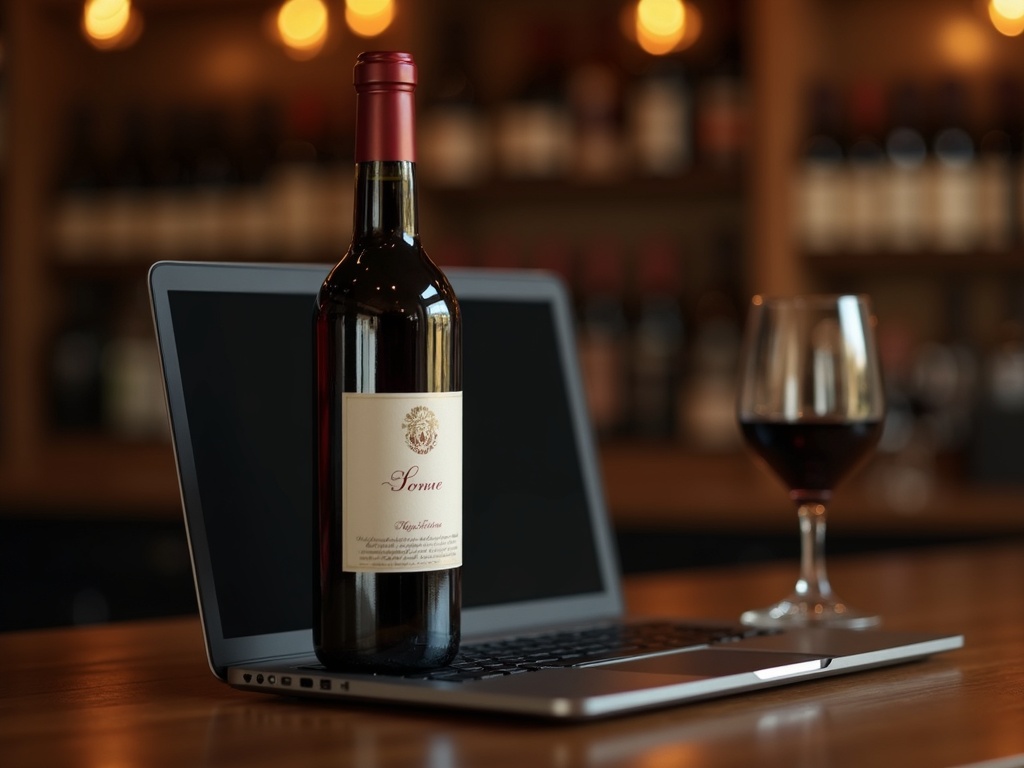
What Makes Selling Wine Online Different from Other Products
Selling products online has become commonplace for most retailers, but selling wine online presents a thrilling and unique experience. Specialized systems, considerate logistics and passion across customer engagements make for a uniquely wonderful experience that makes wine retailers stand out in the best possible way.
Regulatory Environment
Wine eCommerce exists within a context that’s a bit more complicated than your average online retail offering, which makes for interesting opportunities for proper businesses looking to set themselves up with appropriate systems. Each state handles its shipping of wine differently which leaves businesses needing to understand not only where they can ship but also, what permits make that feasible.
Regulations can change periodically over time, meaning it takes an attentive eye to ensure compliance. Many wine retailers use specialized systems and software to better get situated where compliance is concerned, allowing for distribution. Thus, from the beginning, if retailers understand how to capitalize on regulations and where to get appropriate systems in place, they can appeal to consumers across states. For example, the Pacific IQ Wine eCommerce site offers helpful assessments of how to help businesses hit the ground running with important systems.
Compliance experts and appropriate systems make something that could easily be overwhelming into something highly manageable. For businesses who get this right, they can happily service customers across many industries without batting an eye while building a sustainable business.
Age Verification
Another layer that protects consumers and businesses from liability is age verification. Age verification systems are integrated seamlessly into platforms where information is either confirmed upon checkout or through carrier partners before dropping off.
As these systems have gotten more extensive and seamless in their professionalism over the years, consumers appreciate this level of professionalism, for if it’s a professional business, they are legitimized and compliance-ed out, buyer’s choice should be easy. The signature confirmation option also protects against items being left willy-nilly at the customer’s door without anyone able to confirm age.
Savvy businesses let consumers know about this ahead of time so that there’s no hesitation or confusion when entering a buyer’s choice. It’s a professional thing to do, and while it could be disconcerting, establishing transparency makes what’s often uncomfortable highly reputable.
Logistics
Temperature controlled shipping is another great way that professionals focus on their products. For example, scheduling wine deliveries for appropriate climate in addition to inventory capacity during winter and summer months means consumers recognize temperature sensitivity in typical wine business transactions.
Packaging has drastically improved for sophisticated brands offering wine. Special boxes transform what once were fragile and careful bottles into products ready for travel without breaking presentation or product integrity. Businesses have even created their own "unboxing" experiences, which acts as a premium experience when someone gets their product, and something that can only happen due to specialized packaging and considerations.
The right carriers understand alcohol delivery as well. While there are additional costs associated with this niche travel (and it’s not always straightforward, but it’s always honest), businesses generating success from specialized operations have figured out how to deliver value wherein consumers appreciate what they’re paying for when it comes to shipping.
Consumer Expectations
For consumers passionate about wine, they’re knowledgeable and often decisive in the products they want. Thus, it’s a joy to service them because all information is welcome. They want to know about taste properties, recommended meals to accompany their purchases (and how many bottles), critic scoring, specific vintages, etc. Creating rich content with data helps businesses show their credibility while helping consumers find what’s best for them.
The photography associated with online sales also brings products to life, clear shots of the bottle itself as well as attractive images of the label and lifestyle photography showcasing what’s going on with the wine brings a somewhat lifeless product to life. Therefore, the aesthetics help bring everything together that would work in traditional retail.
The dynamic inventory keeps people excited; new vintages come out all the time, seasonal offerings appeal at various times throughout the year, niche categories emerge, etc. The content thus driven is similar to what’s generated consistently online, but a static industry can’t hold a candle to what’s ever-changing in the wine world.
Building Relationships
Getting a customer experience online as wine businesses don’t allow consumers to taste before they buy means that businesses must work extra hard to build trust through product description credibility, authentic reviews, and responsive service. This often engenders more serious relationships than in typical eCommerce settings.
Their reviews carry more weight for all other products and if they’re ever going to charge back because someone didn’t like what they tasted, getting good news out is paramount to ensure new customers feel secure, and often wine buyers love sharing their finds with others or get blown away by other offerings and like sharing their likes or recommendations. There’s a good community atmosphere around what’s become a favorite, or what found by chance ended up impressing everyone at a gathering.
Flexible policies help maintain business interests while protecting product from any sort of negative customer experience; transparent communication about storage versus shipping versus satisfaction guarantees help ensure customer satisfaction. Taking time to show buyers they’re valued keeps them coming back again and again.
The Joy of Selling Wine Online
Selling wine online combines the efficiency of online shopping with passionate specialized knowledge that positions businesses naturally against competitors seeking additional entry.
With technical elements necessary and operational understanding required for success, it makes sense that the volume of eCommerce wine sales goes through fewer doors than what could be expected per capita residentially. Thus, there are natural barriers to entry that come from a place of appreciation rather than avoidance.
Building something sustainable and professional over time means aligning one’s business goals with keeping passionate consumers happy and building something they’d genuinely appreciate. Those who shy away from the unique specialization miss out on natural advantages generic retail eCommerce cannot touch.
Wine eCommerce presents an intelligent computerized opportunity while simultaneously blending the nuances of passionate entrepreneurship; those who hope to sell wine online are bound for success with enough advanced planning and helpful resources through reputable connections, the distinctive nature isn’t limiting, but instead, an opportunity.