
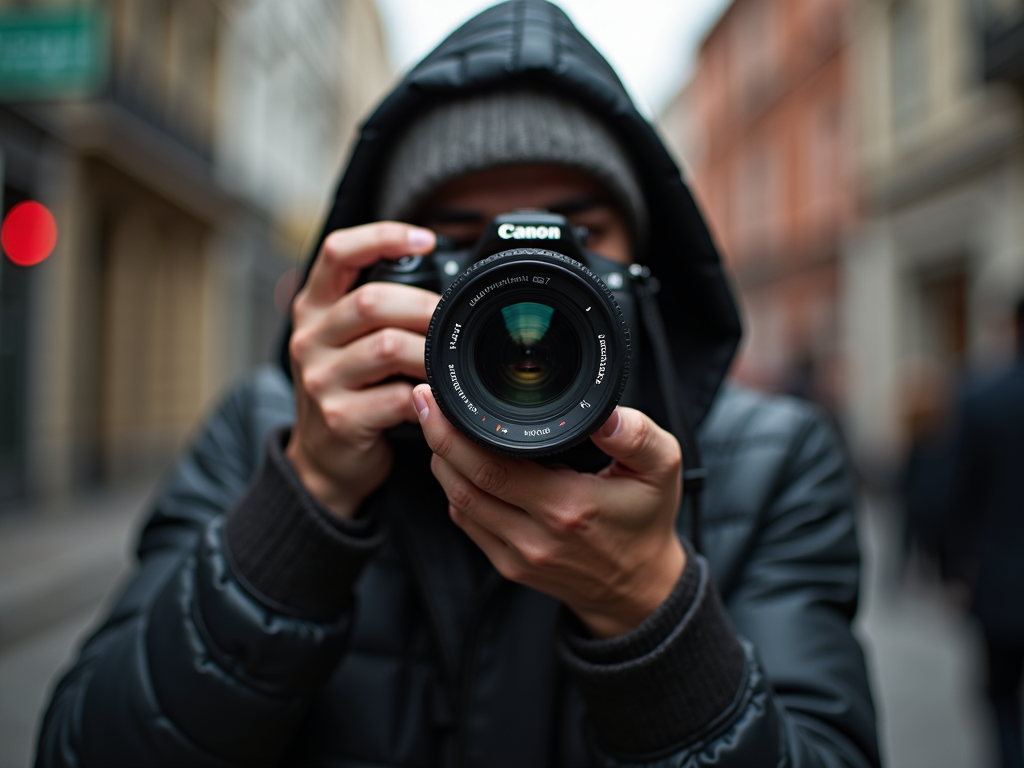
Being a photographer sounds fun, right? You get to take cool pictures, go to interesting places, and maybe even earn money doing it. But there’s another side to it that people don’t really talk about—things can go wrong. Really wrong. Cameras can break. Lenses can fall off tables. Memory cards can go missing. And sometimes, clients aren’t happy, even if you did your best. That’s where something called photography insurance can seriously help.
When Gear Fails at the Worst Time
Imagine showing up to a wedding shoot, excited to capture one of the biggest days of someone’s life. You reach into your bag, pull out your camera… and it won’t turn on. The screen stays black. It worked fine yesterday, but now it’s just dead. That kind of thing happens more often than you’d think. And even if it wasn’t your fault—maybe it got bumped during travel or there was a problem with the battery—you’re the one holding the bag. Missing that job could mean losing money and your reputation.
This is exactly why many professional and freelance photographers look into photography insurance. It helps protect not just your gear but also your business. If something breaks or gets stolen, insurance can help you replace it. If a client sues because they weren’t happy with your photos or something went wrong during the shoot, insurance can step in and handle it. It’s not just about gear—it’s about peace of mind.
Cameras Are Expensive. So Are Mistakes.
Even entry-level gear costs a lot. A decent DSLR or mirrorless camera with a couple of lenses can easily go over £1,000. Add in lighting equipment, tripods, memory cards, backups, and editing software, and it adds up fast. That’s a huge investment to risk without some sort of safety net.
But it’s not just about damage or theft. Imagine doing a paid photo session and then losing all the files because your hard drive failed. Or showing up late to a shoot because your car broke down and the client refuses to pay. Some insurance policies even cover loss of income or legal costs if a client takes you to court. That kind of protection matters when your work is on the line.
What Insurance Actually Covers
Not all insurance is the same, and it’s worth knowing what to look for. The good news is there are companies that offer insurance specifically for photographers. These plans usually cover things like:
- Damage or loss of equipment: This includes cameras, lenses, and other gear.
- Theft: Whether it’s from your car, studio, or while traveling.
- Public liability: If someone gets hurt during a shoot—like tripping over your tripod—you could be held responsible.
- Professional indemnity: If a client says your work caused them to lose money or suffer in some way, they could sue.
- Business interruption: If you can’t work for a while due to an accident or gear loss, this can help cover lost income.
Some policies are really flexible. You can get short-term coverage for one event or longer plans that last all year. That way, whether photography is your full-time job or just something you do on weekends, you can stay protected.
It’s Not Just for the Pros
A lot of people think only big-time photographers need insurance, but that’s not true. Even if photography is a side hustle or something you do once in a while for friends and family, you still face the same risks. Borrowed gear still breaks. Clients still expect a certain level of professionalism. And the second someone pays you, even a small amount, your work becomes a business in their eyes. That means more responsibility—and more risk.
Some venues won’t even let you shoot there unless you show proof of insurance. That’s a rule for many weddings, parties, and even corporate gigs. So having insurance can open doors to jobs you wouldn’t be able to take otherwise.
Real-Life Scenarios Where Insurance Saves the Day
Picture this: you’re photographing a toddler’s birthday party. Everyone’s having fun. Balloons, cupcakes, the whole deal. Suddenly, a kid runs behind you, trips on your camera strap, and knocks over your flash stand. It hits someone’s hand, they drop their phone, and now it’s cracked. The parent demands you pay for the damage. It’s not fun, but it’s real. And without insurance, you might have to cover the costs yourself.
Or say you’re doing travel photography and your gear bag disappears at the airport. You just lost thousands of pounds worth of equipment and can’t finish your assignment. With the right insurance, you could file a claim and get reimbursed—so you don’t lose your gear and the job.
Finding the Right Fit
When choosing an insurance provider, it’s important to find one that understands what photographers need. Some companies just offer general business insurance, but others focus specifically on creative workers. The ones that really get it know how fast things can change in this field. They make it easy to file claims, update your policy when you buy new gear, and cover different types of shoots—from portraits to sports to events.
Make sure to read the details before you sign up. Know your deductible (the amount you pay before insurance kicks in), what’s covered, and what’s not. Some policies might not cover international travel or certain high-risk events unless you add extra coverage. It’s worth spending a few minutes upfront so you’re not surprised later.
Final Thoughts
Photography isn’t just about capturing moments. It’s also about being prepared when those moments don’t go as planned. Gear breaks. Clients cancel. Accidents happen. And even though nobody wants to think about those things, having insurance means you don’t have to panic when they do. It’s one less thing to worry about so you can focus on doing what you love—taking great photos.
Whether photography is your job or just something you’re turning into a business, staying protected helps you move forward with confidence. Think of insurance as a quiet backup that’s always there, just in case. Because the truth is, when everything falls apart, having that support can make all the difference.