
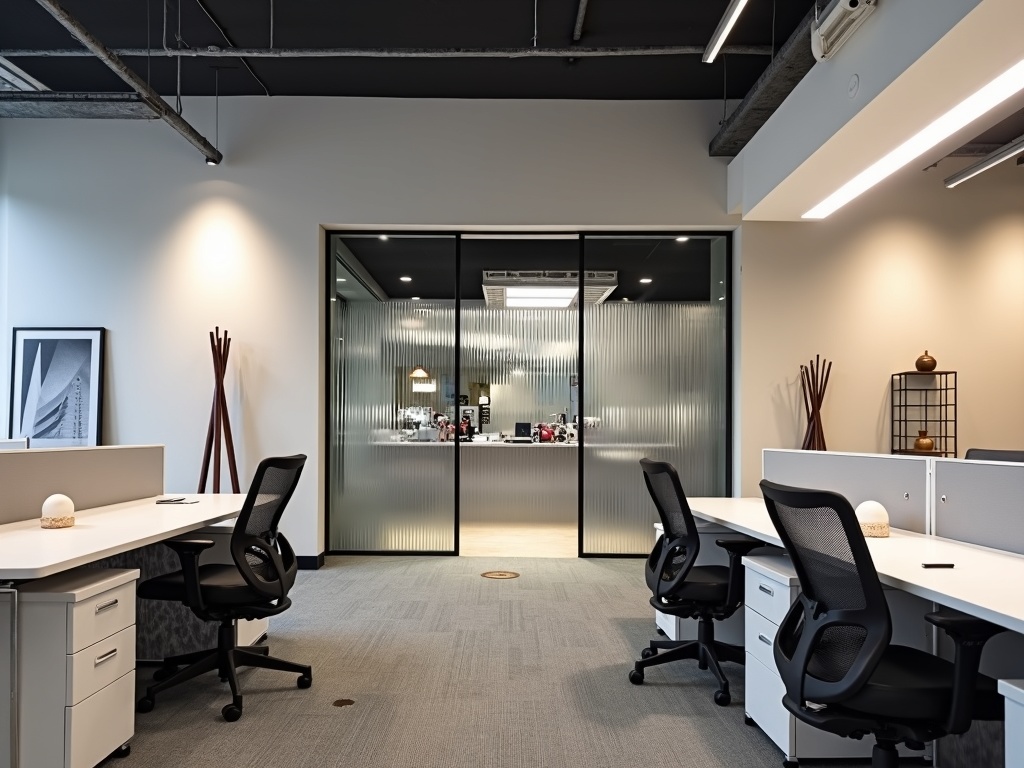
The traditional office lease has become something of a business dinosaur. Companies sign multi-year agreements, lock themselves into fixed costs, and then spend months dealing with buildouts, maintenance issues, and the inevitable problems that come with managing commercial real estate. But here’s what’s changed: businesses today have options that didn’t exist even a decade ago, and smart entrepreneurs are taking advantage of them.
The old way of doing business meant committing to years of rent payments, even when your business needs changed dramatically. Economic downturns, rapid growth, or shifts in your industry could leave you stuck with space that no longer made sense. The pandemic showed just how quickly business requirements can change, and many companies learned expensive lessons about inflexible lease arrangements.
The Real Problems with Traditional Office Leases
Long-term leases create several challenges that go beyond just the monthly rent payment. First, there’s the upfront investment. Most commercial leases require security deposits, first and last month’s rent, and often significant buildout costs to make the space functional for your business. We’re talking about tens of thousands of dollars before you even move in.
Then there’s the maintenance headache. When something breaks, guess who’s responsible? That HVAC system that decides to quit during the hottest week of summer becomes your problem and your expense. The plumbing issues, electrical problems, and general wear and tear all fall on your shoulders. Many business owners don’t realize they’re essentially becoming property managers on top of running their actual business.
The commitment itself creates another layer of stress. What happens if your business outgrows the space in 18 months? Or what if you need to downsize? Traditional leases don’t care about your changing needs. You’re locked in, regardless of circumstances.
Why Flexible Office Solutions Make Sense
Here’s where modern office solutions get interesting. Instead of signing away years of your business future, you can access professional workspace on much more flexible terms. These arrangements typically involve shorter commitments, sometimes as brief as month-to-month agreements, giving businesses the ability to adapt quickly.
The financial benefits go beyond just flexibility. Most flexible office arrangements include utilities, maintenance, cleaning, and often internet service in the monthly cost. No more surprise bills when the air conditioning needs repair or when the building decides to upgrade the elevator system. Someone else handles those headaches while you focus on running your business.
But here’s what really matters: the professional image stays intact. These aren’t makeshift solutions or compromises on quality. For businesses looking to maintain a prestigious address and professional atmosphere, Executive office rentals Edina offer fully furnished spaces with all the amenities companies need, without the long-term commitments that traditional leases demand.
What to Look for in Flexible Office Arrangements
Not all flexible office solutions are created equal. The best arrangements provide true flexibility without sacrificing the professional environment your business needs. Look for spaces that offer furnished offices, so you’re not dealing with the expense and hassle of buying and moving office furniture.
Technology infrastructure matters more than most people realize. Reliable internet, phone systems, and IT support can make or break your business operations. The right flexible office provider handles these technical requirements, often with better systems than what most businesses could afford to install independently.
Meeting spaces and common areas add significant value. When clients visit, they should see a professional, well-maintained environment that reflects positively on your business. Conference rooms, reception areas, and professional support staff create the impression that matters for business relationships.
The Hidden Advantages
Flexible office arrangements often provide networking opportunities that traditional leases can’t match. Sharing space with other professionals creates natural opportunities for referrals, partnerships, and business development that wouldn’t happen in an isolated traditional office.
Administrative support represents another often-overlooked benefit. Many flexible office providers include receptionist services, mail handling, and basic administrative support in their packages. This means your phone gets answered professionally even when you’re out of the office, and your mail gets handled properly without requiring additional staff.
The scalability factor becomes crucial as businesses grow. Instead of being stuck with too much or too little space, flexible arrangements allow companies to expand or contract their office footprint based on actual needs. This responsiveness can save significant money and reduce business stress during transition periods.
Making the Financial Case
When you break down the real costs, flexible office solutions often compete favorably with traditional leases, even before considering the reduced risk and increased flexibility. Traditional leases hide costs in security deposits, buildout expenses, utility setup fees, and maintenance reserves. Flexible arrangements put most costs upfront and predictable.
The opportunity cost matters too. Money not tied up in lease deposits and buildout expenses can be invested back into the business for marketing, equipment, or staff. This capital availability often makes more difference to business growth than having a traditional lease arrangement.
Risk reduction has real financial value. Being able to adjust your office expenses based on business performance provides a safety net that traditional leases simply can’t offer. During challenging periods, the ability to reduce overhead quickly can mean the difference between surviving and thriving.
Key Takeaways for Business Owners
Professional office space no longer requires multi-year commitments and massive upfront investments. Flexible arrangements provide legitimate alternatives that maintain professional standards while offering the adaptability that modern businesses need. The key lies in finding providers that offer true flexibility without compromising on quality, amenities, or professional image.
Smart business owners are discovering that the old way of doing office space often created more problems than it solved. Today’s flexible solutions address those problems while providing the professional environment that businesses need to succeed and grow.