
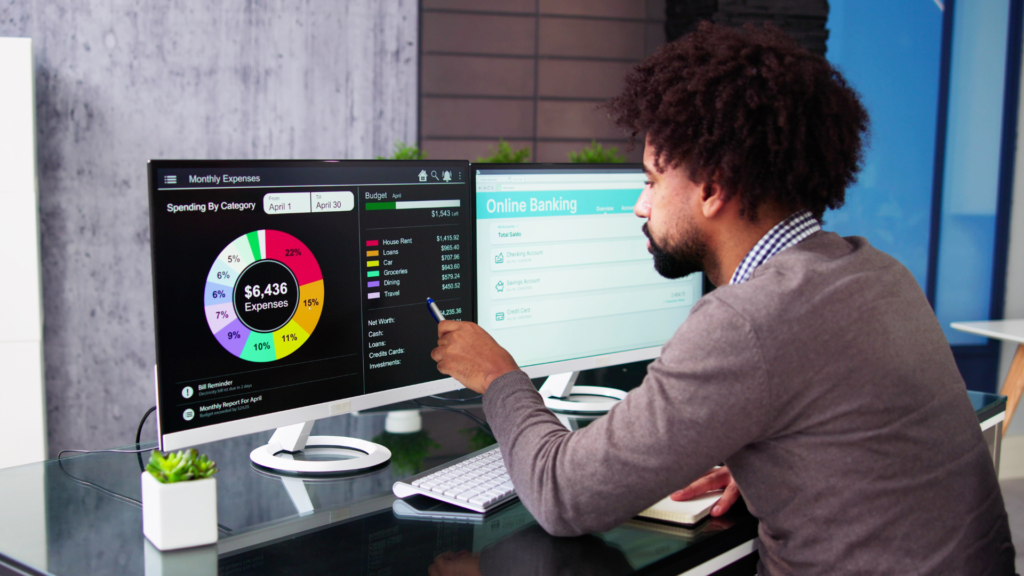
Managing finances can often feel overwhelming, especially as financial goals become more complex. In 2025, some of the best budgeting tools will streamline personal finance by helping users track expenses, set savings targets, and optimize their spending habits. With a variety of options available, individuals can choose solutions that align with their unique preferences and financial aspirations.
From mobile apps to online platforms, these tools not only simplify budgeting but also provide valuable insights into spending patterns. Users can find features like goal-setting, expense categorization, and even investment tracking that cater to a wide range of financial needs. This makes it easier for anyone to take control of their budget and work toward their financial objectives.
For those looking to enhance their financial literacy and achieve better money management, exploring the top budgeting tools of 2025 is essential. With the right tool at hand, anyone can navigate the complexities of personal finance with confidence.
Understanding Budgeting Fundamentals
Budgeting is a crucial skill that involves managing financial resources effectively. It helps individuals track spending, set financial goals, and utilize various methods to maintain control over their personal finances. Here are key aspects to consider.
Setting Financial Goals
Establishing clear financial goals is essential for effective budgeting. These goals can range from short-term aims, like saving for a vacation, to long-term objectives, such as building an emergency fund or saving for retirement.
Specific, measurable goals help in determining how much money can be allocated monthly. For example, setting a savings goal of $1,200 for the year translates to saving $100 each month.
Having these targets encourages disciplined spending habits and provides motivation to track progress.
Budgeting Methods Explained
There are multiple budgeting methods, each with unique benefits. Two popular approaches are the 50/30/20 rule and zero-based budgeting.
The 50/30/20 rule allocates 50% of income to needs, 30% to wants, and 20% to savings or debt repayment. This method is straightforward and easy to implement.
In contrast, zero-based budgeting requires individuals to allocate every dollar of income to specific expenses or savings categories, resulting in a budget that “zeros out.” This method encourages thorough expense tracking and precise money management.
Tracking Spending and Expenses
Expense tracking is a vital component of any effective budgeting strategy. Individuals should categorize their spending into fixed and variable expenses.
Fixed expenses include rent, utilities, and insurance, while variable expenses cover items like groceries and entertainment.
Using tools such as apps or spreadsheets simplifies tracking. Those who practice envelope budgeting can allocate cash to different spending categories to manage finances physically. Maintaining visibility over cash flow enables better control over monthly expenses, reducing overspending and enhancing savings potential.
Top Budgeting Tools in 2025
Budgeting tools in 2025 embrace technology and user experience to enhance personal finance management. They offer various apps and features to help users track expenses, manage financial accounts, and improve their financial literacy.
Budgeting Apps and Software
Several budgeting apps stand out for their functionality and user-friendly interface. Mint provides a comprehensive approach, linking bank accounts and tracking expenses automatically. YNAB (You Need A Budget) emphasizes proactive budgeting, offering a robust system focused on financial goals.
PocketGuard simplifies budgeting by categorizing expenses, while Quicken Simplifi includes advanced tracking for investments and bills. Monarch Money allows collaborative budgeting for families. GoodBudget stands out with a digital envelope system, suitable for users preferring cash-based budgeting. Many of these tools offer free trials, and subscription fees range from $5 to $15 monthly.
Specialized Features and Integrations
Budgeting tools differ significantly in their special features and integrations. For example, Copilot Money connects with various financial institutions, providing a real-time view of net worth. Rocket Money focuses on expense tracking and subscription management, helping users identify savings.
EveryDollar offers a straightforward budgeting process with a clean interface, making it user-friendly for beginners. When selecting an app, consider the investment tracking capabilities. Some tools, like Quicken, integrate investment tools to help users manage their portfolios alongside their budgets.
Assessing Security and Support
Security is a crucial factor when choosing budgeting tools. Most reputable budgeting apps employ encryption methods to safeguard data. Look for features like multi-factor authentication. Tools like Mint and YNAB have strong security measures in place.
Customer support varies among apps. While Monarch Money offers personalized guidance, others like GoodBudget provide extensive FAQs and community forums. Users should weigh the quality of customer support alongside features when selecting a budgeting app, ensuring they have access to assistance when needed.
Making the Most of Budgeting Tools
Utilizing budgeting tools effectively can significantly enhance financial management. A focus on developing healthy money habits and enhancing financial literacy lays the foundation for successful budgeting.
Developing Healthy Money Habits
Establishing positive money habits is crucial for effective budgeting. Individuals can begin by tracking expenses consistently, which helps identify spending patterns. Using apps like Credit Karma provides insights into spending and areas for improvement.
Creating a budget involves setting realistic spending limits. Allocating funds for necessities such as housing and utilities is vital. Additionally, incorporating saving goals can foster a more disciplined approach to finances.
Using budgeting tools to automate savings can further ensure that funds are set aside each month. This automation reduces the temptation to spend. Regularly reviewing budget status helps in adjusting financial plans as needed, maintaining alignment with personal finance goals.
Learning and Improving Financial Literacy
Financial literacy is essential for making informed decisions. Individuals should seek out resources that enhance their understanding of personal finance. Online courses, workshops, and financial blogs provide valuable insights.
Utilizing budgeting tools often includes access to educational content. For instance, platforms may offer tutorials on how to manage debt or invest wisely. This knowledge empowers users to navigate their financial landscape confidently.
By developing strong financial literacy, individuals can better understand complex topics such as credit scores and interest rates. This understanding assists in making strategic choices, ultimately leading to improved financial health. Prioritizing financial education is key to maximizing the benefits of budgeting tools.